
M for Mahila, M for MGNREGA
Women Leading Village Development Planning
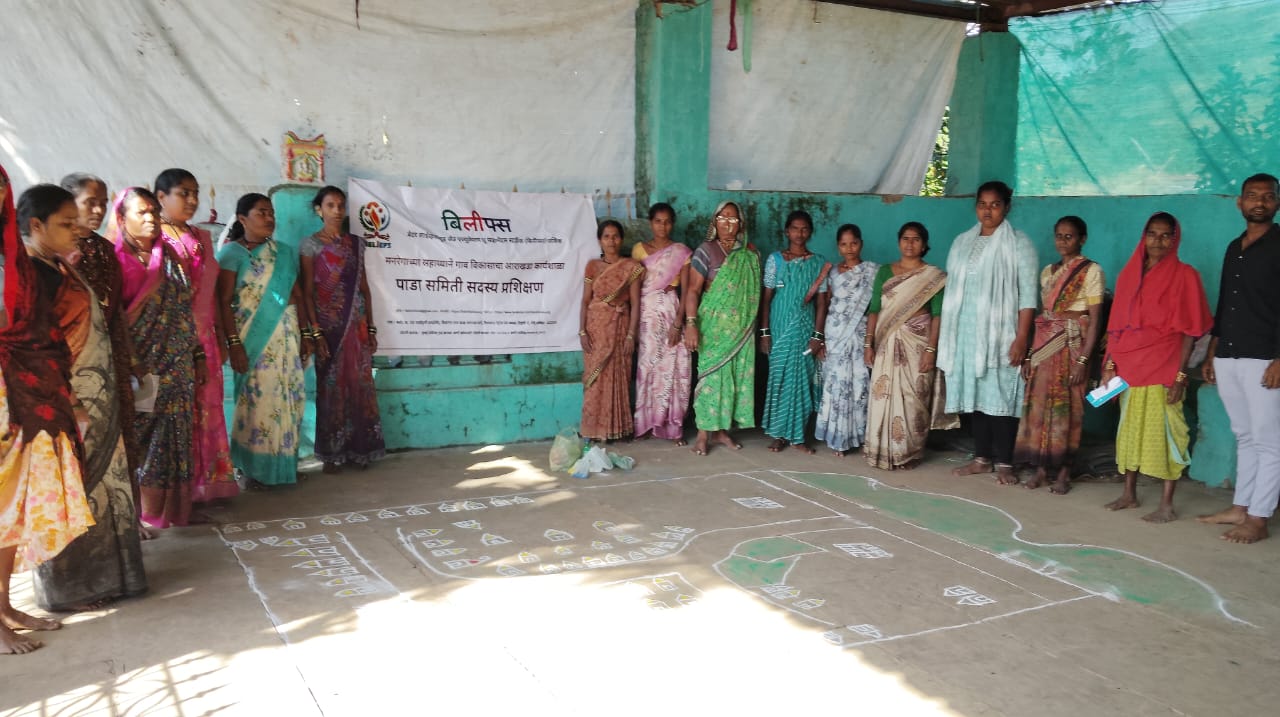
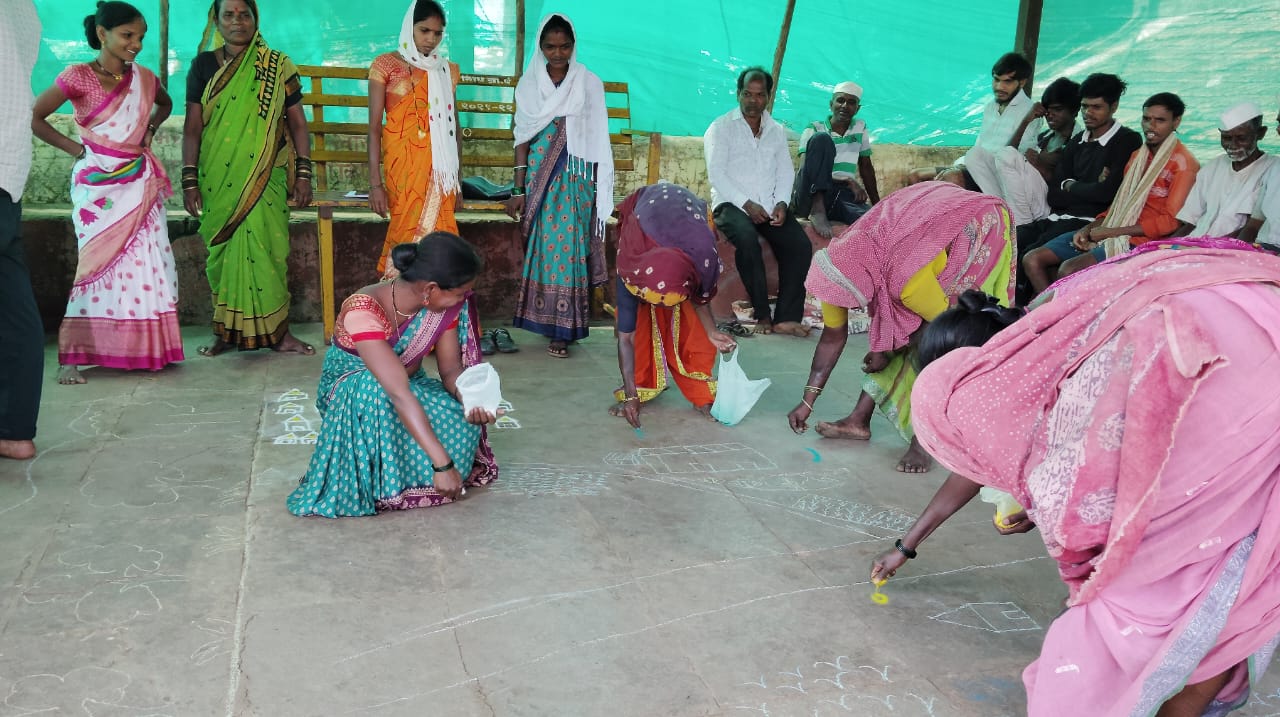
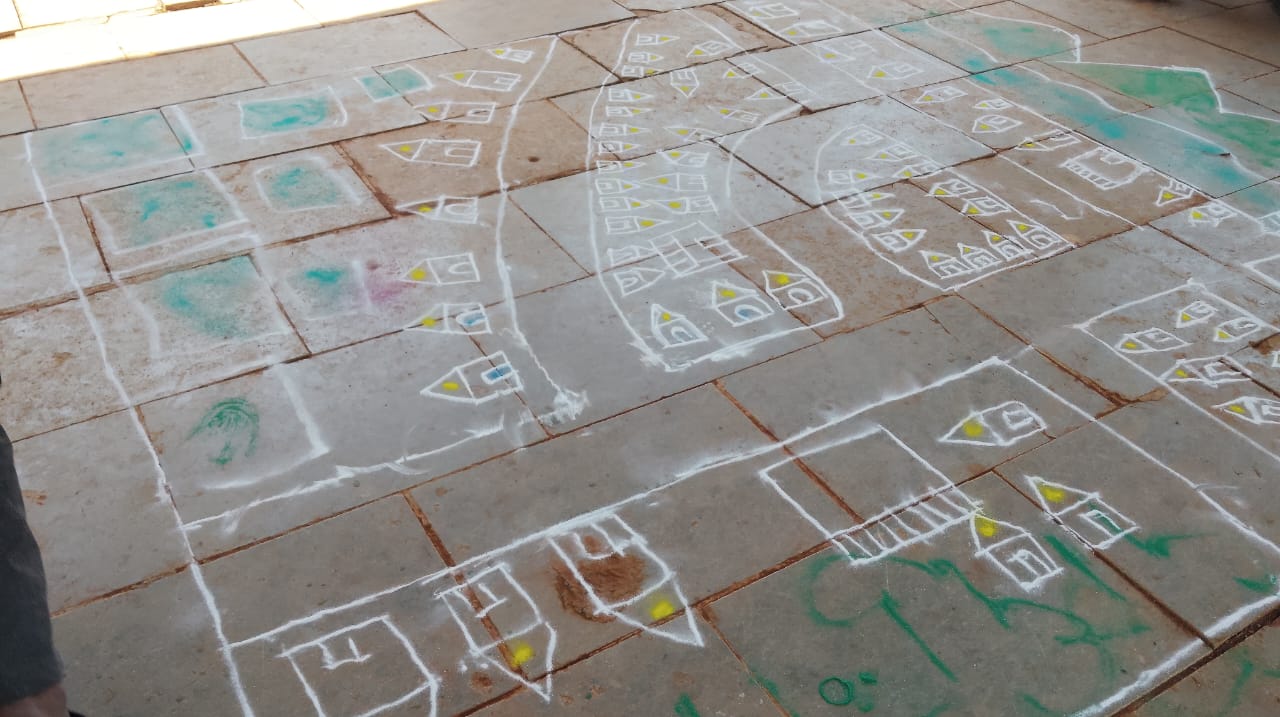
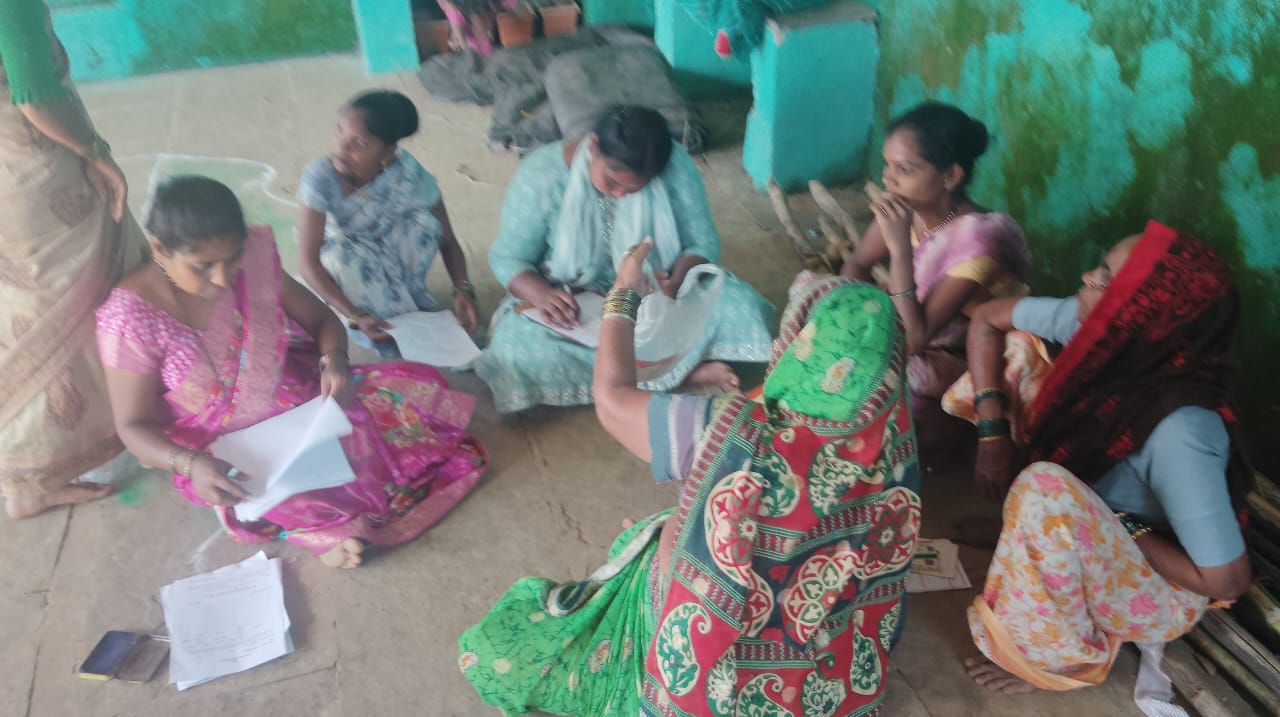
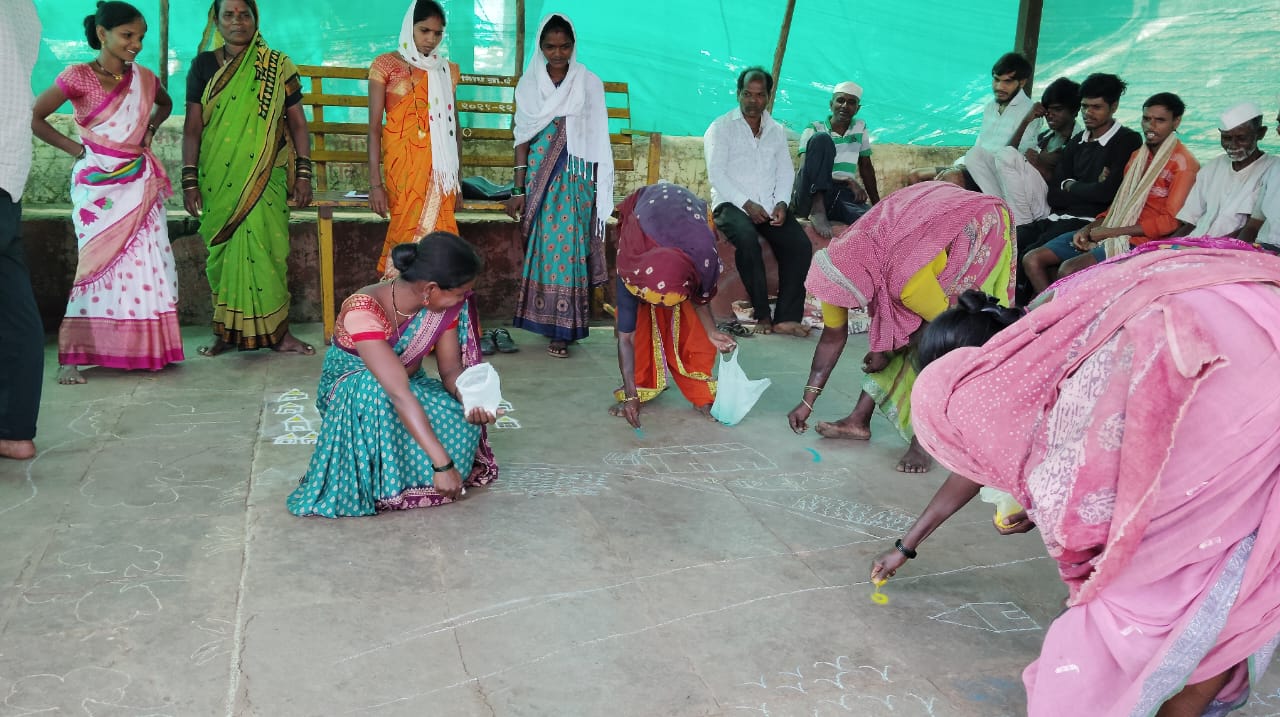
In many tribal villages of Trimbakeshwar Taluka, women were often excluded from discussions about village development and public employment planning. Although MGNREGA was an important source of livelihood, women rarely had an opportunity to influence what works were prioritised or how development plans were prepared.
To address this gap, BELIEFS launched the Women-Centred MGNREGA Village Development Planning Initiative across ten villages in three Gram Panchayats. The initiative aimed to place women at the centre of local development planning and strengthen their participation in decision-making processes.
The process began with community meetings, leadership-building sessions, and awareness programmes on MGNREGA. Women, labourers, and Pada Samiti members were trained on work demand procedures, village development planning, and their rights under the employment guarantee programme. Rather than being passive beneficiaries, women were encouraged to identify local needs and propose development priorities for their villages.
As discussions unfolded, women highlighted issues related to water security, sanitation, livelihoods, agriculture, livestock, and environmental conservation. Through participatory planning exercises, they prepared village development proposals that reflected their everyday realities and aspirations.
The initiative generated a remarkable response. A total of 565 workers submitted applications for employment under MGNREGA, of which 353 (62%) were women. Women collectively proposed 184 development works, including farm ponds, wells, toilets, cattle sheds, stone bunds, orchard plantations, Anganwadi facilities, and other community assets.
Beyond the numbers, the process created a significant shift in local governance. Women who had rarely participated in planning discussions began analysing village needs, prioritising development works, and engaging with Gram Panchayats and local institutions. The initiative strengthened coordination between communities, Pada Samitis, Gram Panchayats, and BELIEFS, creating a more inclusive planning process.
The project demonstrated that MGNREGA can be much more than an employment programme. When women are given space to lead, it becomes a powerful tool for participatory governance, sustainable development, and community-driven planning.
Today, the experience stands as an example of how women’s leadership can transform village development processes and ensure that local plans reflect the priorities of those who are often left unheard.
Key Outcomes
- Women-led village development planning conducted across 10 villages.
- 565 workers submitted work demand applications.
- 62% of applicants were women.
- Women proposed 184 development works.
- Increased awareness of MGNREGA rights and procedures.
- Strengthened women’s participation in local governance and planning.