THE LONG ROAD TO RECOGNITION: WOMEN LEADING THE DOCUMENTATION CAMPAIGN
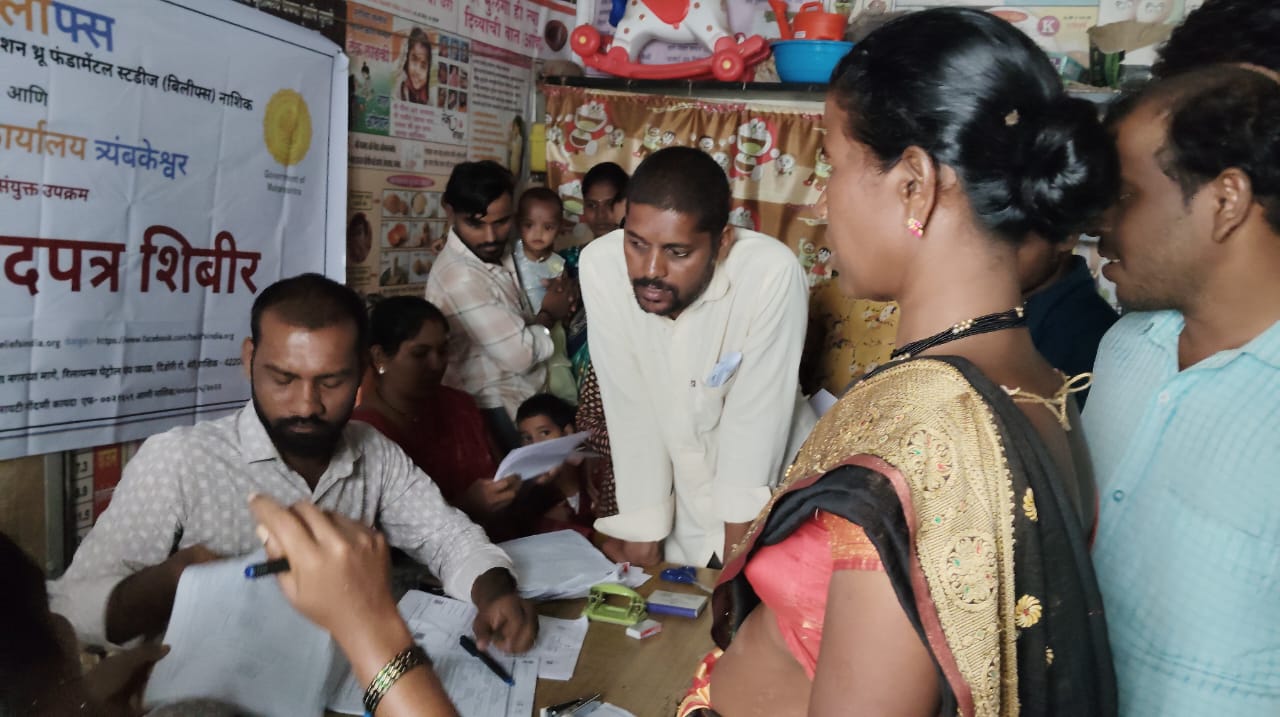
For years, many tribal families in Trimbakeshwar lived without the documents required to access their rights and entitlements. Ration cards remained pending, caste certificate applications were delayed, Aadhaar-related services were difficult to access, and government offices often felt distant from everyday life.
For many families, the absence of these documents meant exclusion from welfare schemes, employment opportunities, pensions, and other essential public services. What appeared to be a paperwork issue was, in reality, a barrier to dignity, citizenship, and access to rights.
What changed was not a government order, but the determination of local women.
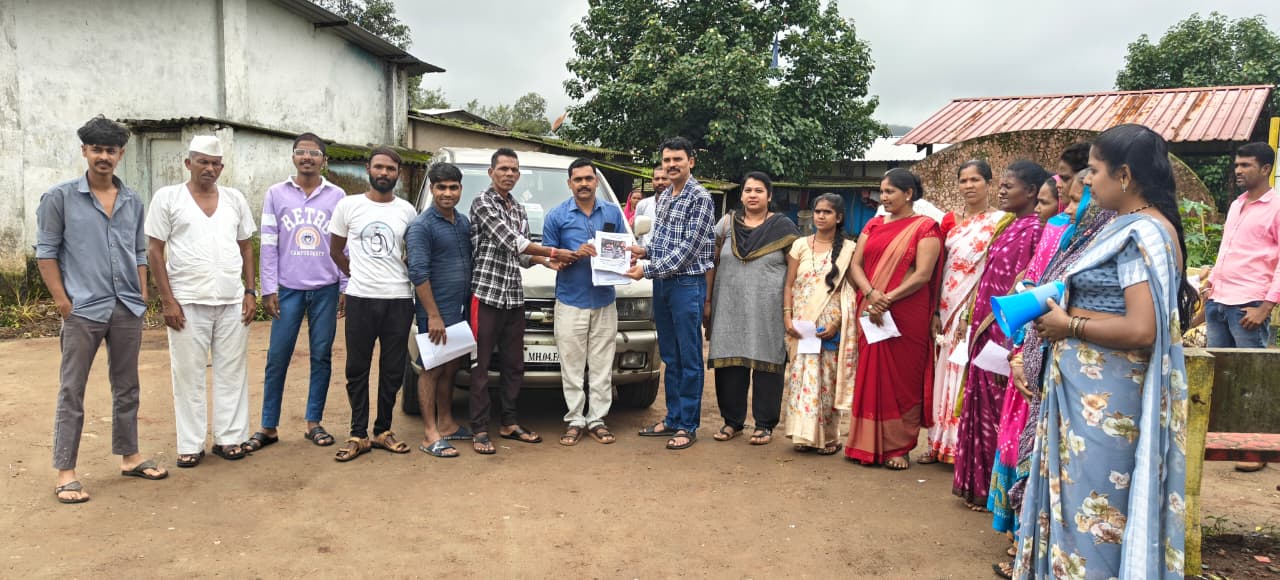
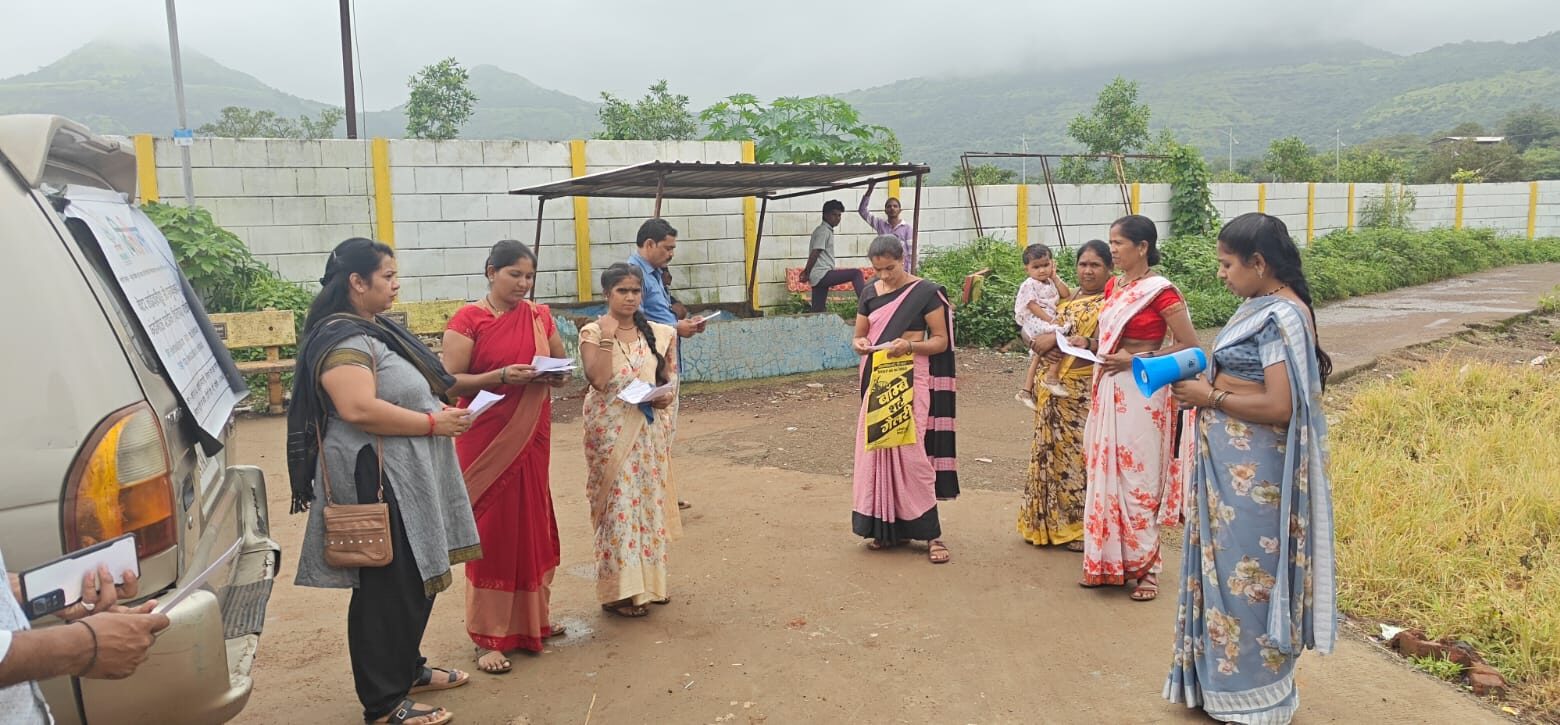
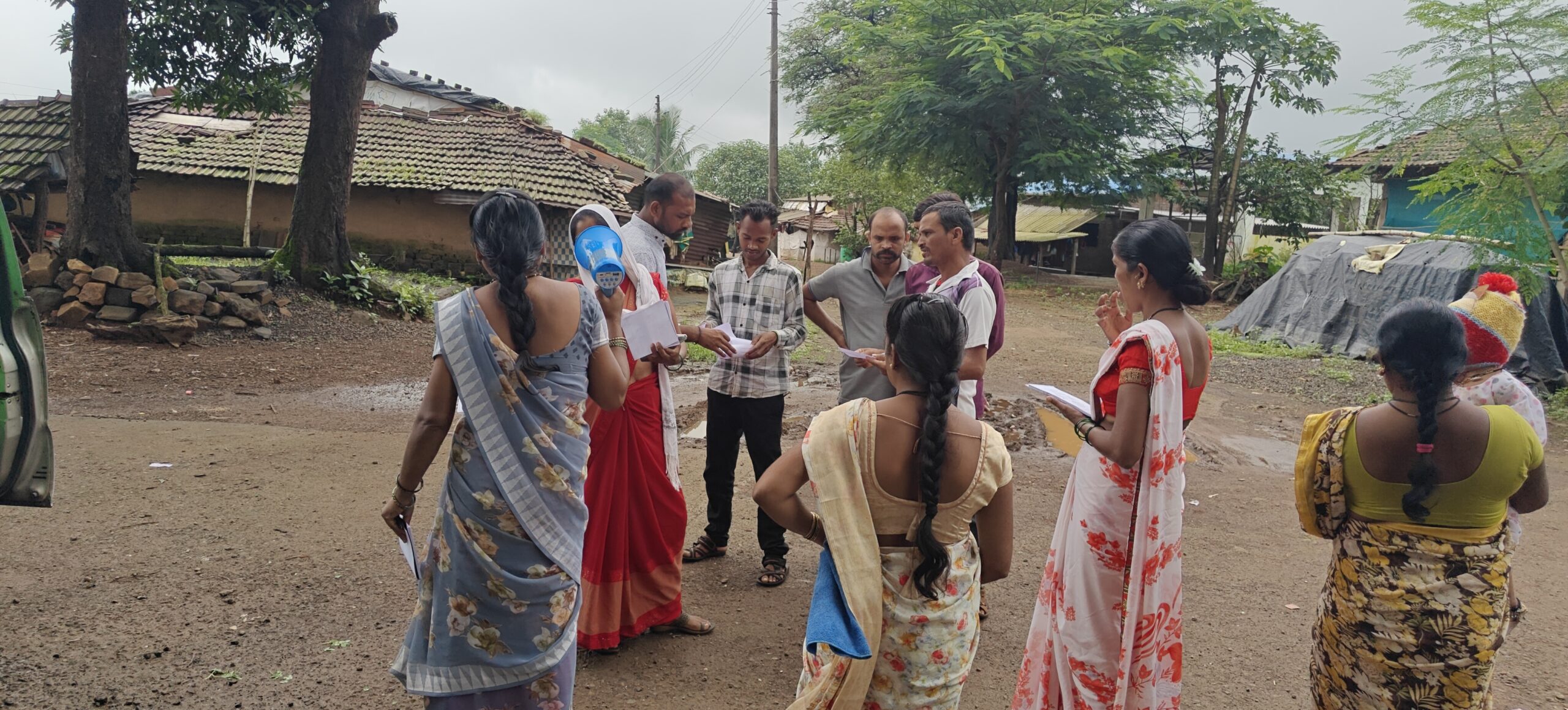
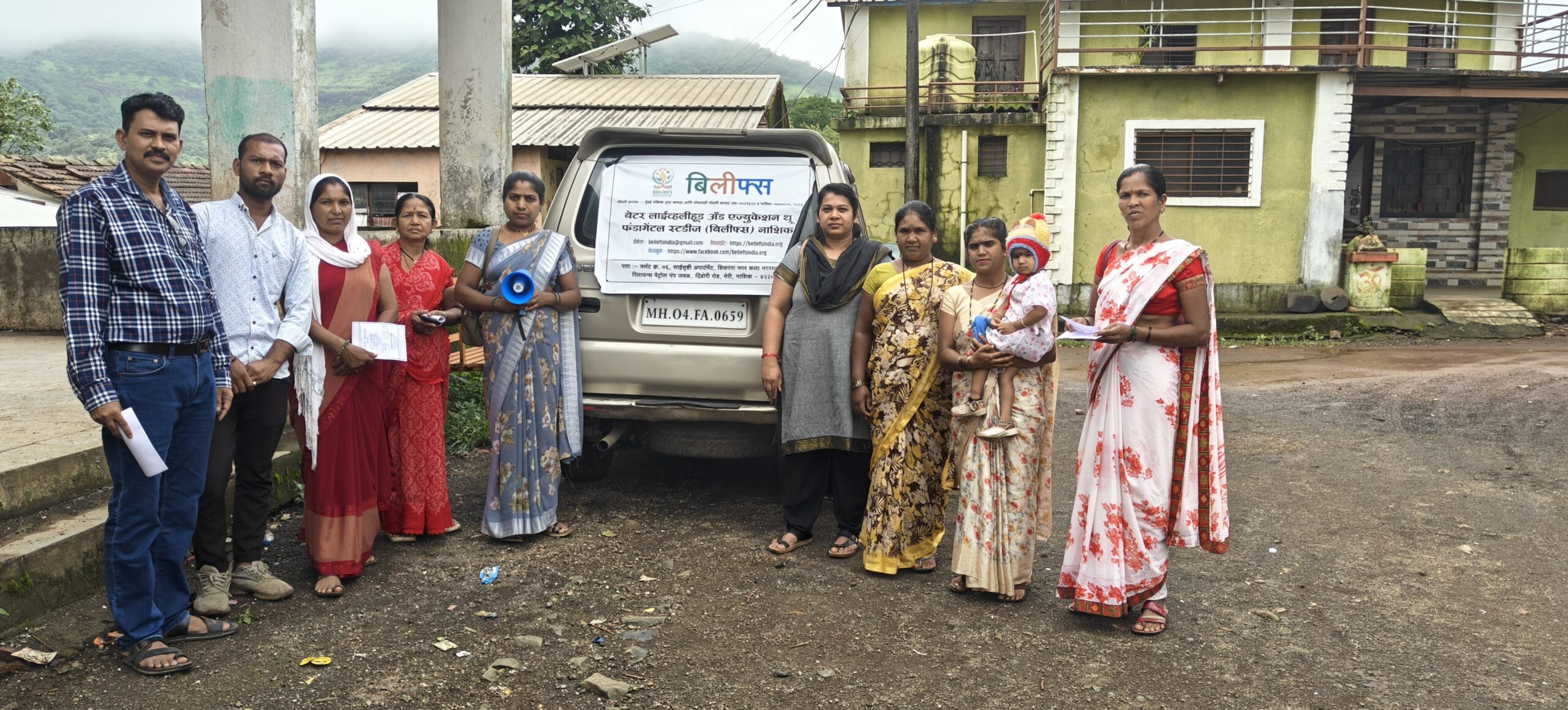
Through BELIEFS-supported Pada Samitis, women from several tribal hamlets came together to launch a community-led documentation campaign. They travelled from village to village with loudspeakers, informed families about documentation camps, identified people who lacked essential documents, collected applications, and encouraged community members to engage with government systems.
The journey was far from easy.
Administrative procedures moved slowly, caste certificate applications remained pending, internet connectivity challenges affected processing, and access to Aadhaar services had become increasingly difficult. Many families had already made repeated visits to government offices without success and had begun to lose faith in the system.
Yet the women refused to give up.
They organised meetings, mobilised communities, followed up with government departments, submitted collective representations, and continuously engaged with local officials. Their efforts transformed what had been an individual struggle into a collective movement for recognition and access to rights.
Their persistence produced visible results.
After nearly nine months of sustained follow-up, 38 ration cards were finally distributed to eligible families. Hundreds of applications for essential identity and entitlement documents entered the government system. The campaign also helped draw administrative attention to long-standing Aadhaar-related service challenges affecting tribal communities.
Perhaps most importantly, issues that had remained invisible for years became impossible to ignore.
The struggle is not over. Many caste certificate applications are still pending, and several families continue to wait for official recognition. However, the campaign has already achieved something significant: it transformed passive beneficiaries into active citizens capable of organising, advocating, and engaging confidently with public institutions.
For these women, the story is not about documents alone. It is about dignity, recognition, and the confidence to claim their rights. The road to justice remains long, but the journey has begun—and this time, the community is leading the way.
Impact at a Glance
- 10 tribal hamlets covered through the campaign
- 445 applications submitted for identity and entitlement documents
- More than 200 citizens directly benefited
- 38 ration cards distributed after sustained follow-up
- Multiple documentation camps organised in collaboration with local administration
- Community mobilisation led by women leaders and Pada Samitis
- Increased awareness of documentation rights and government procedures
- Strengthened engagement between tribal communities and public institutions
This campaign was not only about obtaining documents. It demonstrated how organised women’s groups can identify barriers, mobilise communities, engage with public institutions, and collectively pursue solutions. The experience strengthened local leadership and showed that access to rights often begins with collective action.